

Government of Balochistan and National AI Hub Partner to Advance AI-Driven Maternal, Newborn, and Child Health


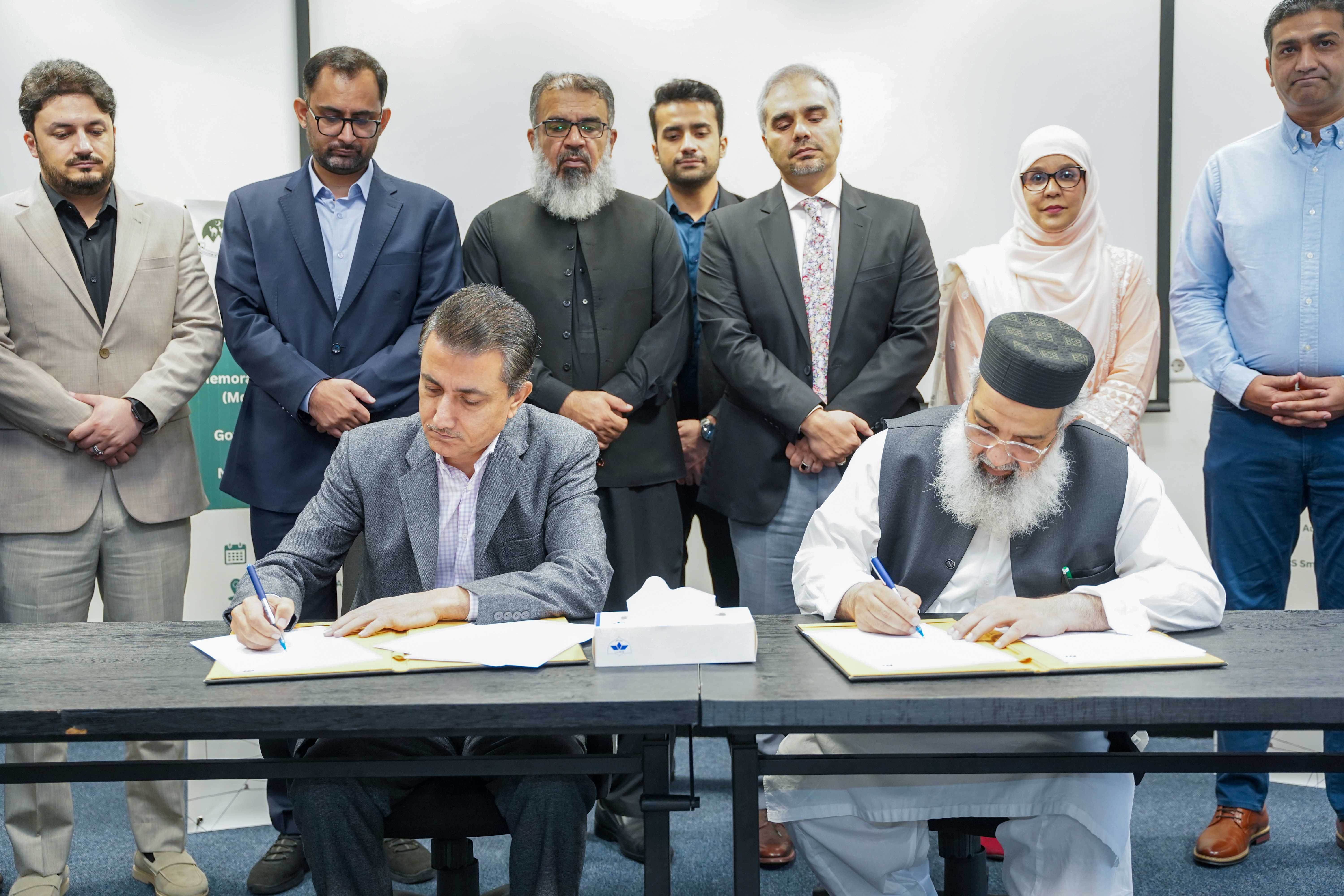
The Government of Balochistan and the National AI Hub for Maternal, Newborn and Child Health (MNCH) at LUMS have signed an MoU to advance the use of artificial intelligence (AI), digital innovation, and evidence-informed decision-making to strengthen maternal, newborn, and child health services across Balochistan.
|
|
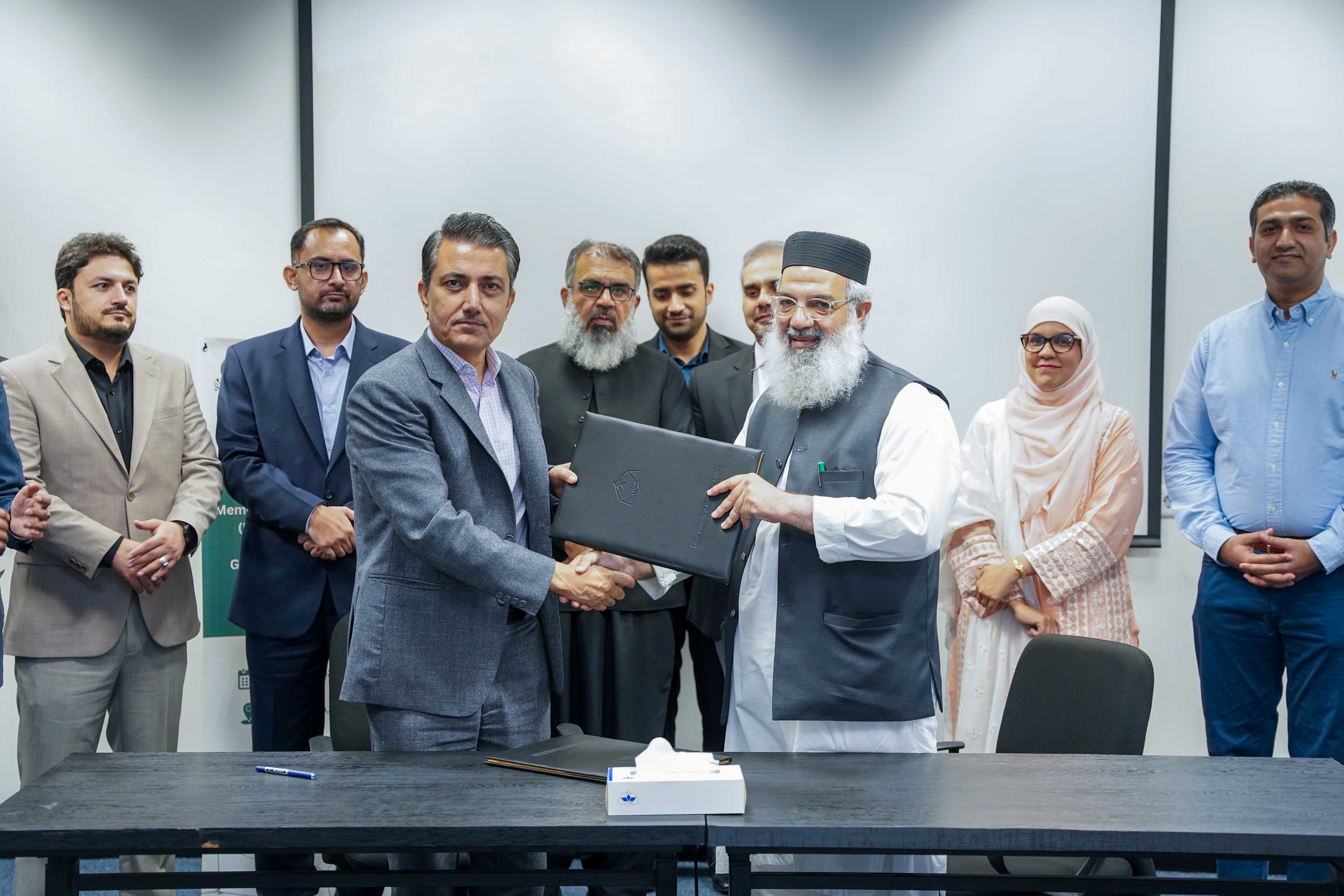
The partnership will combine the Government of Balochistan’s understanding of local health priorities with the National AI Hub’s expertise in artificial intelligence, machine learning, and digital health. The partners will identify opportunities where AI-enabled solutions can strengthen health systems, improve service delivery, and support more effective health policy and planning.
 |  |
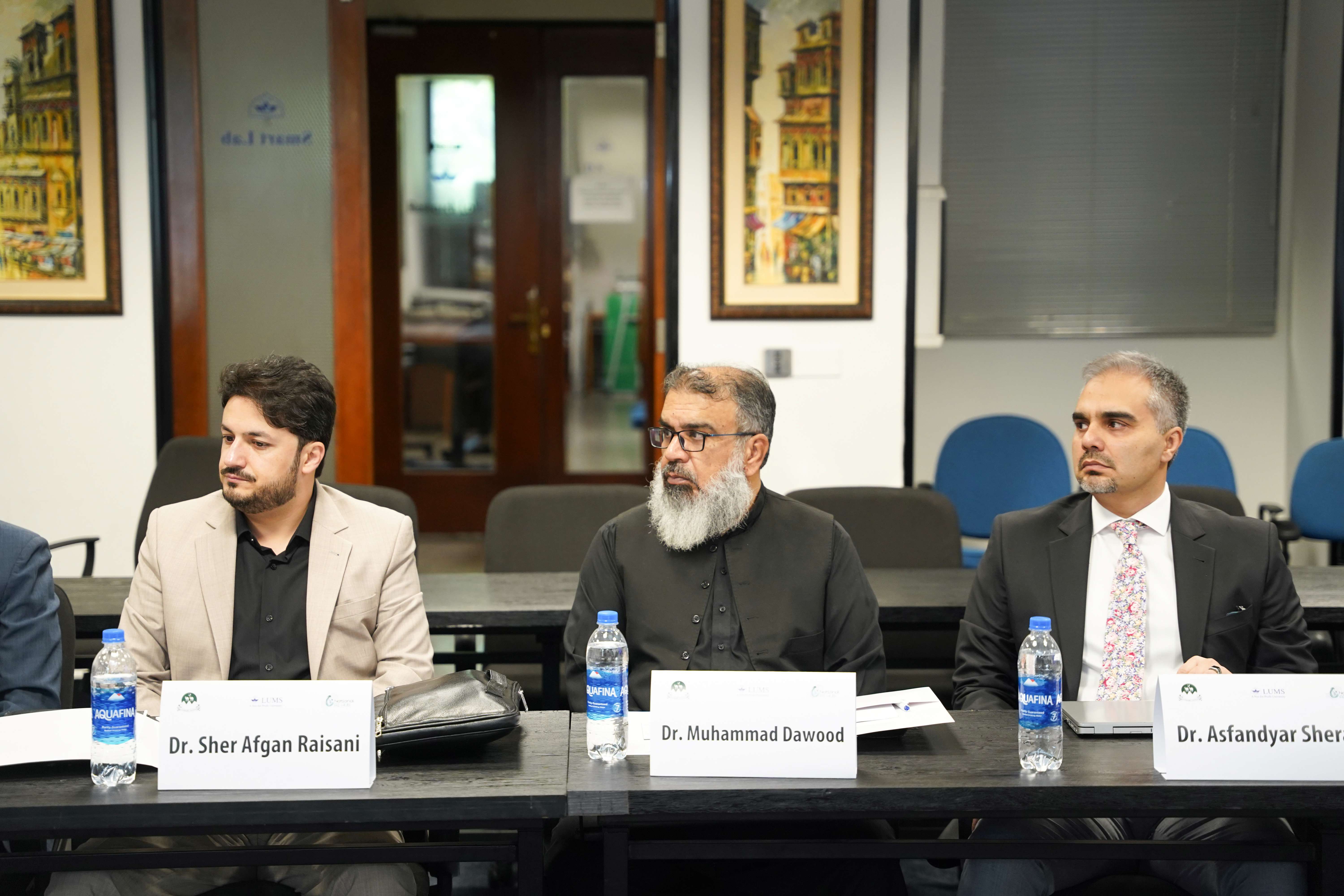 | 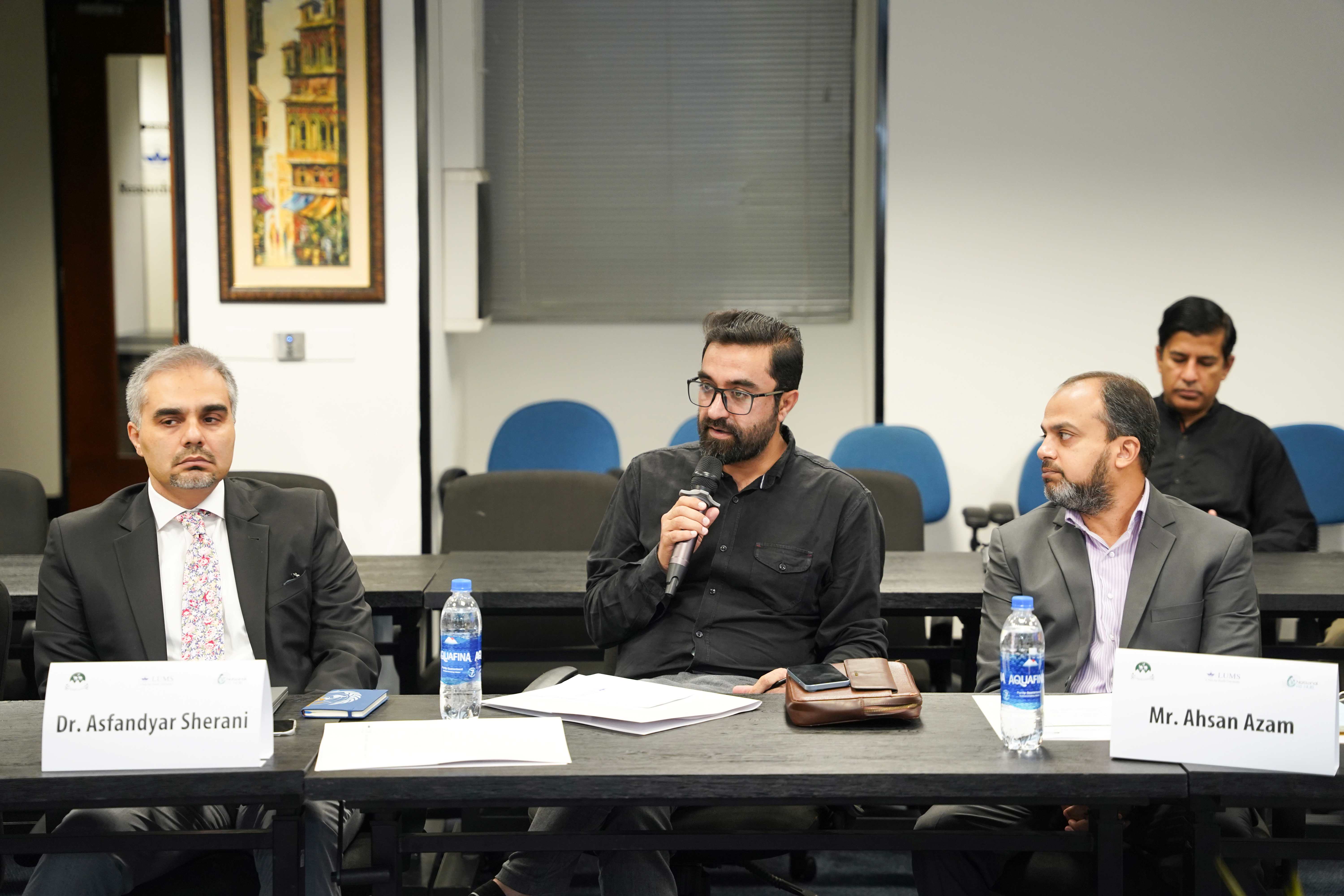 |
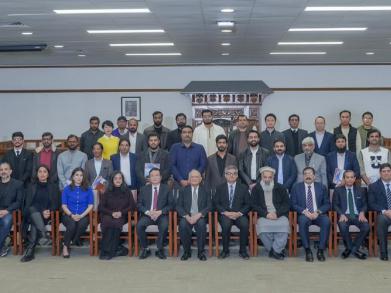
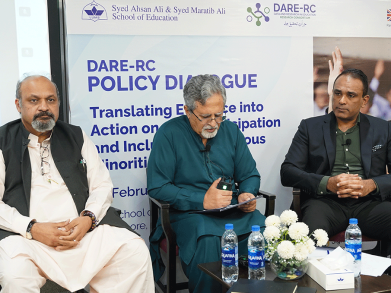
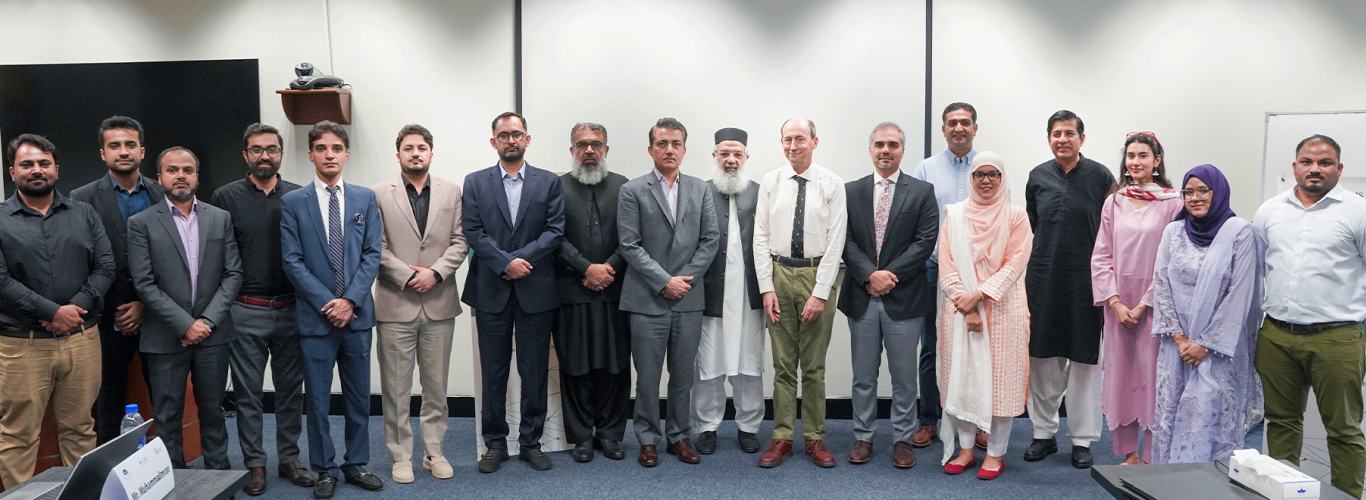
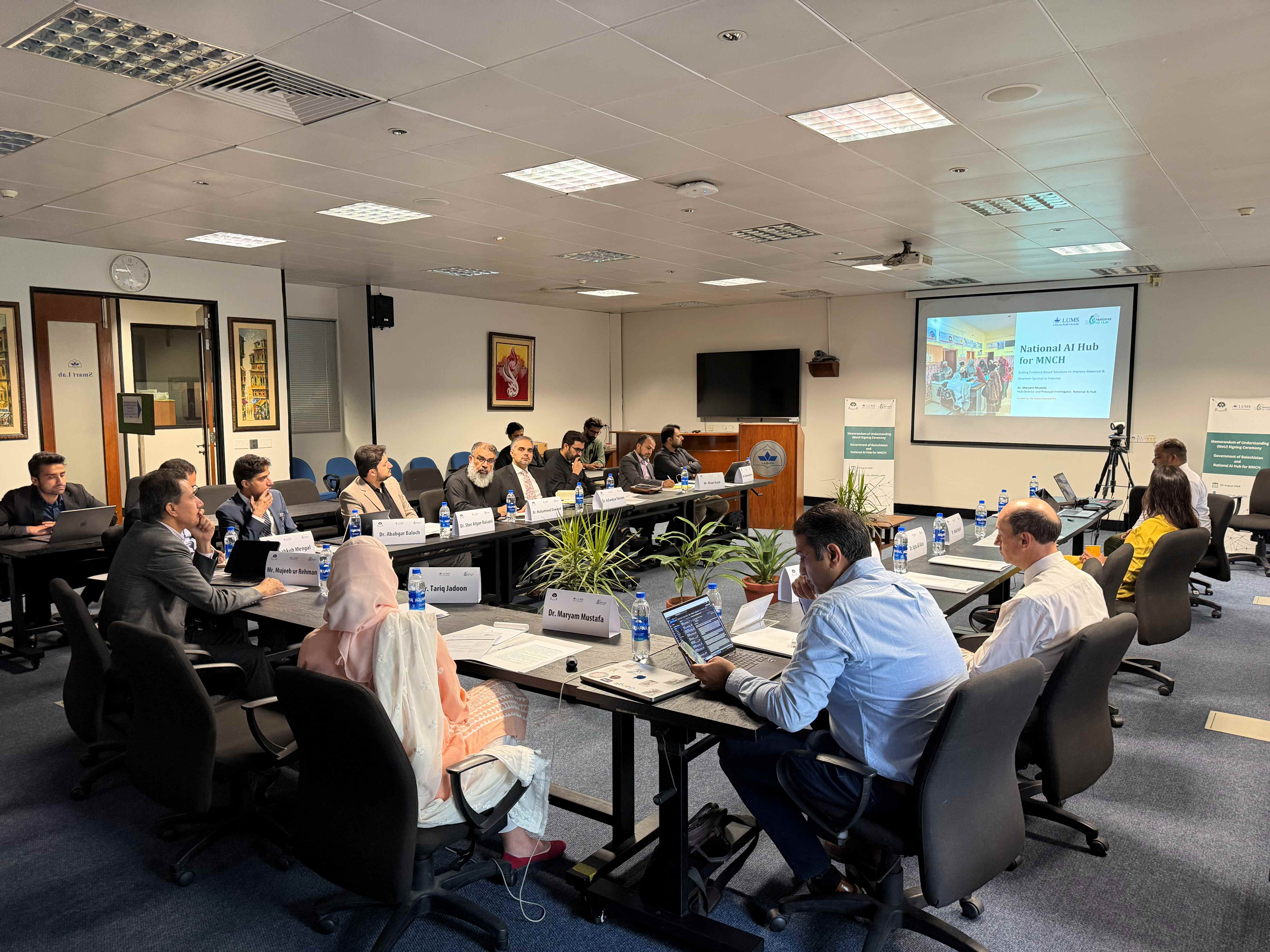
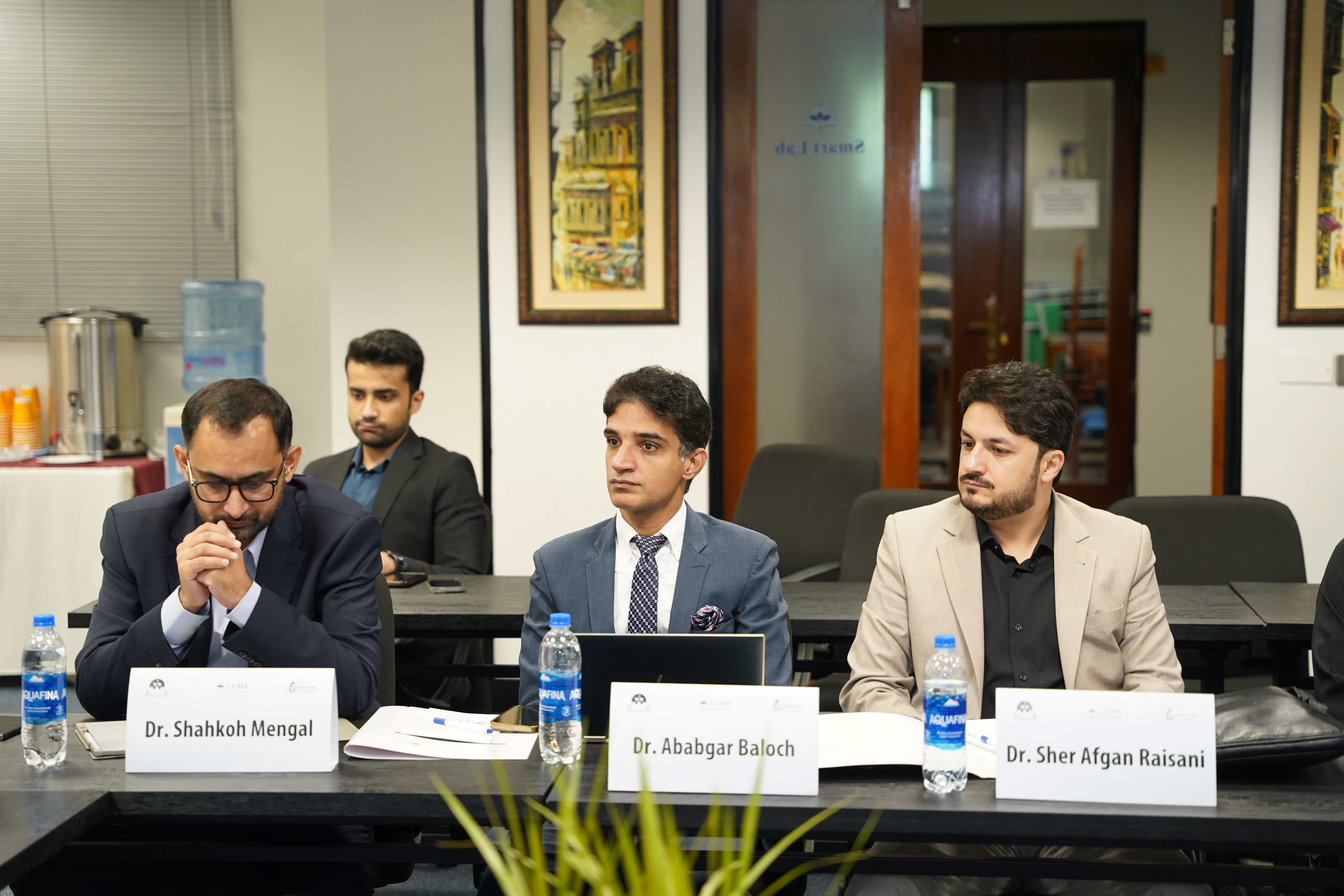
The MoU was signed at LUMS in the presence of senior officials from the Government of Balochistan, University leadership, researchers, public health specialists, and technical experts. The Government of Balochistan delegation was led by Mr. Mujeeb Ur Rehman, Secretary, Health Department.

Dr. Tariq Jadoon, Provost and Acting Vice Chancellor, LUMS, highlighted the potential of the partnership to translate technological expertise into better health outcomes. “Through the National AI Hub, we are leveraging computer science, artificial intelligence, and machine learning to improve people’s health, and we are pleased to contribute to this important work,” he said.
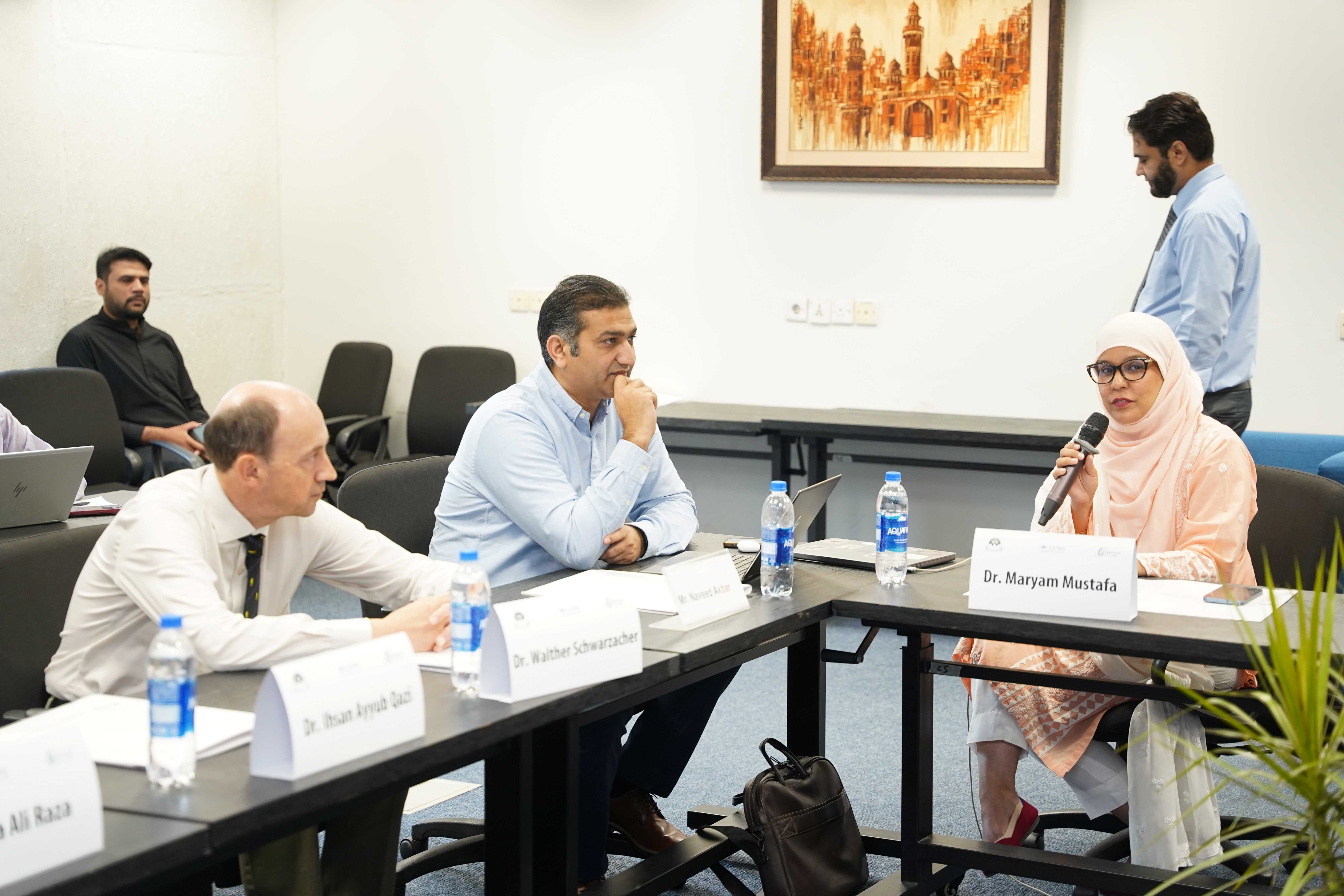
Dr. Maryam Mustafa, Director of the National AI Hub and Associate Professor of Computer Science, emphasised the importance of developing solutions that reflect Balochistan’s own context and priorities. “Balochistan should not be seen merely as a deployment site. We want to understand what home-grown, localised, and contextualised tools for Balochistan, built in Balochistan, should look like,” she said.
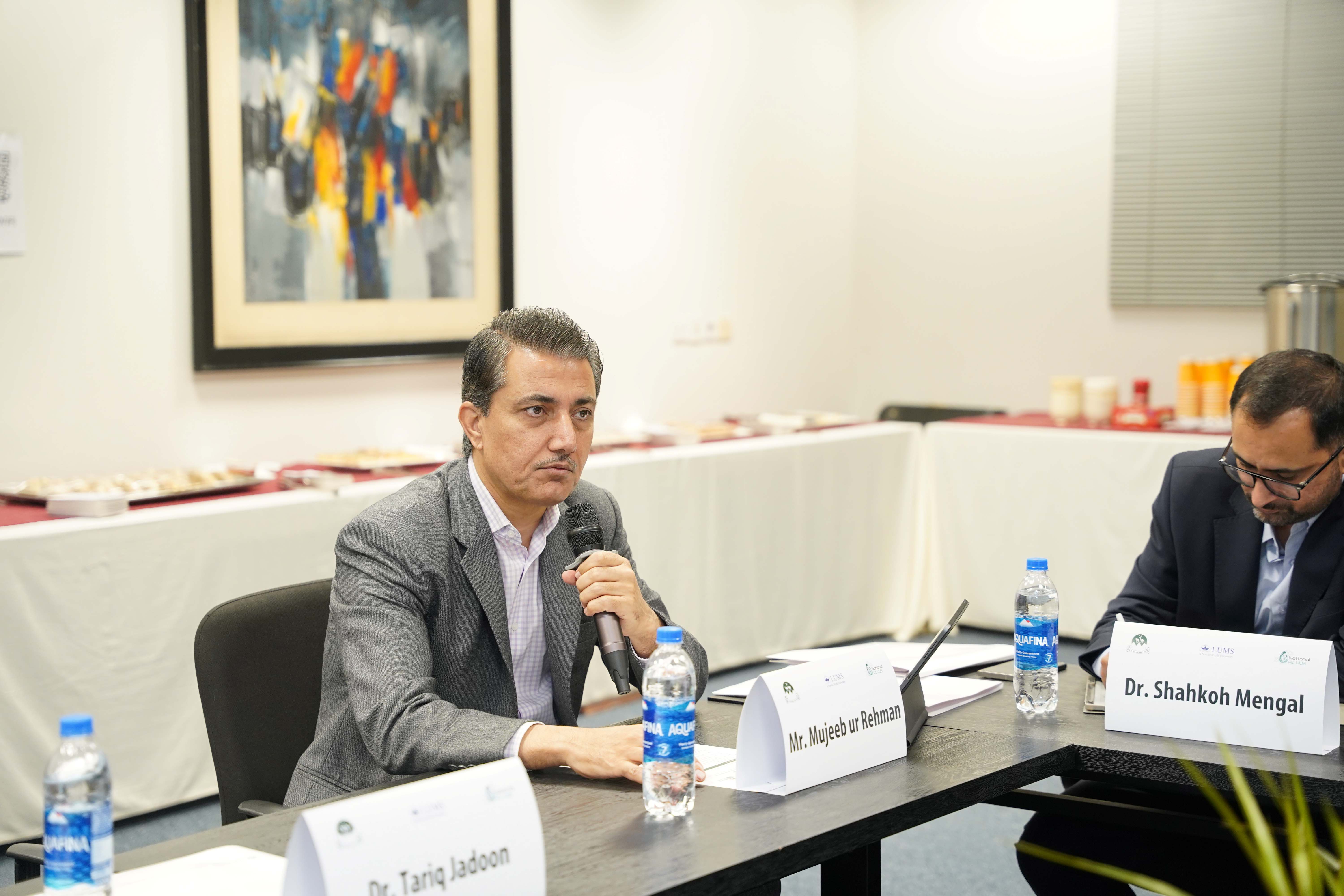
Speaking on behalf of the Government of Balochistan, Mr. Mujeeb Ur Rehman said the partnership would help translate technological expertise into tangible improvements in health outcomes. “This is not just another project for us. It is a project through which we hope to improve maternal, newborn, and child health indicators. LUMS brings the technology and expertise, and we bring the commitment to address the challenges we face,” he said.
The collaboration will focus on research, capacity strengthening, and the co-development, piloting, and evaluation of AI-enabled solutions. Potential areas include digital health, health information systems, predictive analytics, clinical decision support, local-language health tools, and responsible AI for public health.
A key principle of the partnership will be to develop solutions with Balochistan, rather than simply deploy them in the province. By incorporating local expertise and priorities from the outset, the collaboration aims to develop tools that respond to the province’s infrastructure, languages, health needs, and service-delivery realities, while creating a pathway from research and evidence to responsible scale-up.
The partnership marks an important step towards developing locally relevant, evidence-based innovations for MNCH and contributing to Pakistan’s broader digital health agenda.