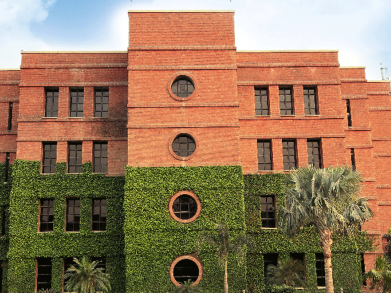


LUMS Energy Institute and Ministry of Energy Host Workshop on Power Sector Fundamentals for Journalists
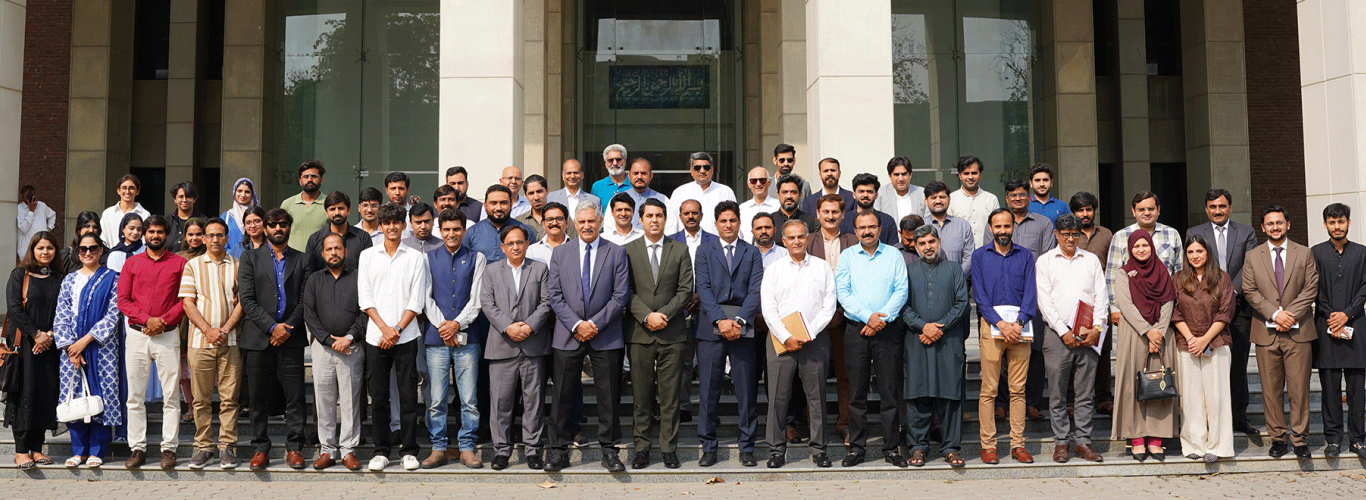


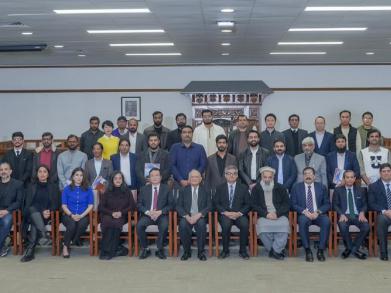
The LUMS Energy Institute (LEI), in collaboration with the Ministry of Energy (Power Division), organised a one-day workshop titled ‘Training Media Personnel on Power Sector Fundamentals’ at LUMS on May 11, 2026. The workshop aimed to strengthen journalists’ understanding of Pakistan’s power sector and support more informed, accurate, and evidence-based reporting on energy issues.
The workshop brought together media professionals from leading print, electronic, and digital outlets, along with students of media sciences. Through a series of technical sessions, participants engaged with key aspects of Pakistan’s electricity sector, including generation, transmission, distribution, tariff mechanisms, subsidies, circular debt, distributed solar, demand-side management, electrification, and ongoing market reforms.
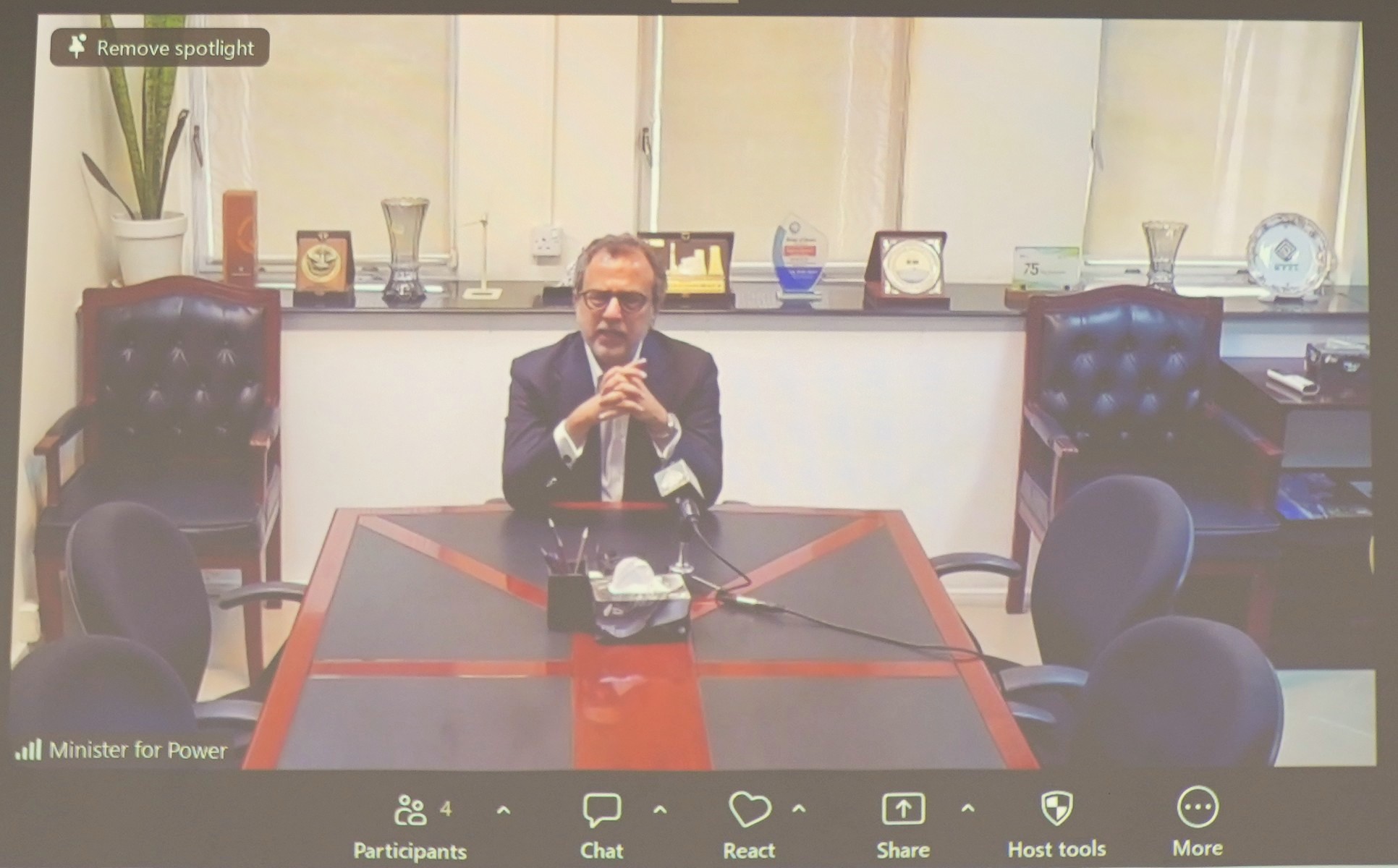
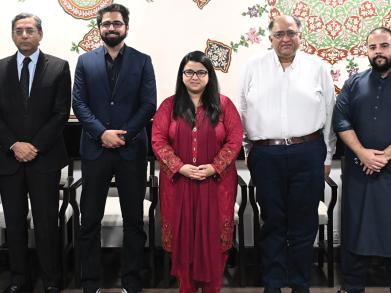
Federal Minister for Energy (Power Division), Sardar Awais Ahmed Khan Leghari, attended the workshop and underscored the important role of the media in communicating accurate and balanced information about the power sector to the public. He noted that several misconceptions about the sector stem from incomplete or inaccurate information and emphasised the government’s commitment to ensuring greater transparency and factual public communication.
Highlighting key reforms and policy priorities, the Minister shared that the government plans to shift 10 million electricity consumers to Advanced Metering Infrastructure (AMI) meters during the current year. He also stated that no new imported fuel-based Independent Power Producers (IPPs) will be established in the future. He added that agreements with most IPPs have been renegotiated and that, through prudent planning and policy measures, savings of approximately PKR 3.5 trillion have been secured for electricity consumers over the next ten to fifteen years.
The Minister further said that the recently introduced solar policy would not slow the pace of solar adoption in the country. He reaffirmed the government’s support for investment in battery energy storage systems and noted that efforts are underway to provide more affordable electricity to industrial and commercial consumers during daytime hours.
Mahfooz Bhatti, Additional Secretary, Ministry of Energy (Power Division), delivered the welcome remarks and highlighted the importance of informed journalism in shaping public understanding of the energy sector.
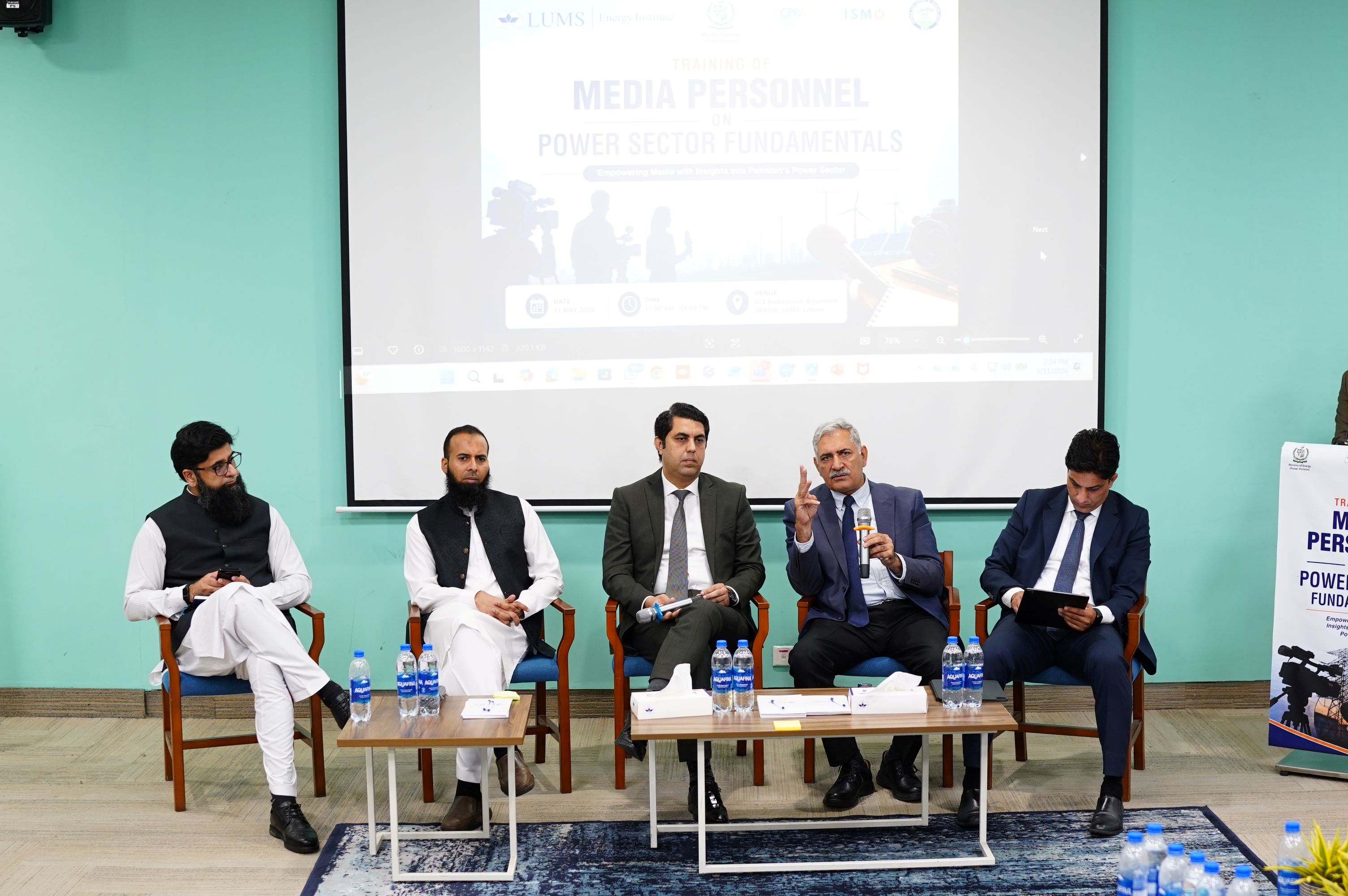
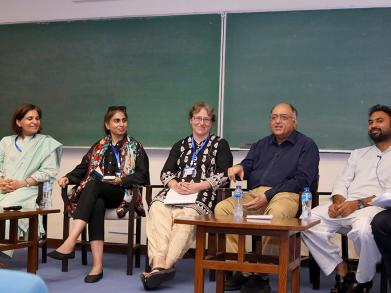
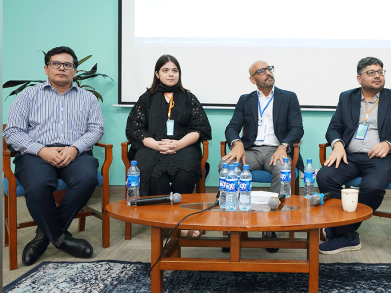
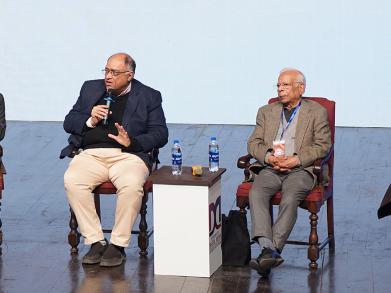
Technical sessions were conducted by leading energy experts, including Dr. Fiaz Ahmad Chaudhry, Chairman Board of Directors, National Grid Company of Pakistan (NGC), and Senior Advisor at LEI; Naveed Qaiser, Chief Corporate Finance and Regulatory Affairs, Power Planning and Monitoring Company (PPMC); Umer Farooq, System Planning Consultant, Independent System and Market Operator (ISMO); and Omer Haroon Malik, Executive Director, Market Operations, ISMO.
Dr. Fiaz Ahmad Chaudhry emphasised that demand-side management, efficient electricity consumption, and consumer-side reforms are critical to addressing Pakistan’s energy challenges and ensuring long-term sustainability. He also stressed that, given the complexity of the power sector, capacity building of media professionals is essential for accurate and informed reporting. He further highlighted LEI’s role in supporting evidence-based policymaking and advancing practical solutions for Pakistan’s energy sector.
Energy Advisor to the Power Division, Syed Faizan Ali, also delivered a presentation titled ‘Future of Pakistan’s Power Sector: Government Vision and Strategic Priorities’, outlining key policy initiatives aimed at improving efficiency, affordability, and sustainability in the sector.
The workshop concluded with an interactive question-and-answer session, where participants engaged directly with experts on the key challenges and opportunities shaping the future of Pakistan’s power sector. Through this initiative, LUMS Energy Institute reaffirmed its commitment to bridging research, policy, and public communication in support of a more informed national conversation on energy.